Best Japanese Laser Cutting Machines
Japanese manufacturers offer a compelling middle ground: German-level precision with better pricing and exceptional dealer networks. Here's why names like Amada, Mazak, and Mitsubishi deserve your consideration.
The Major Japanese Players
Amada
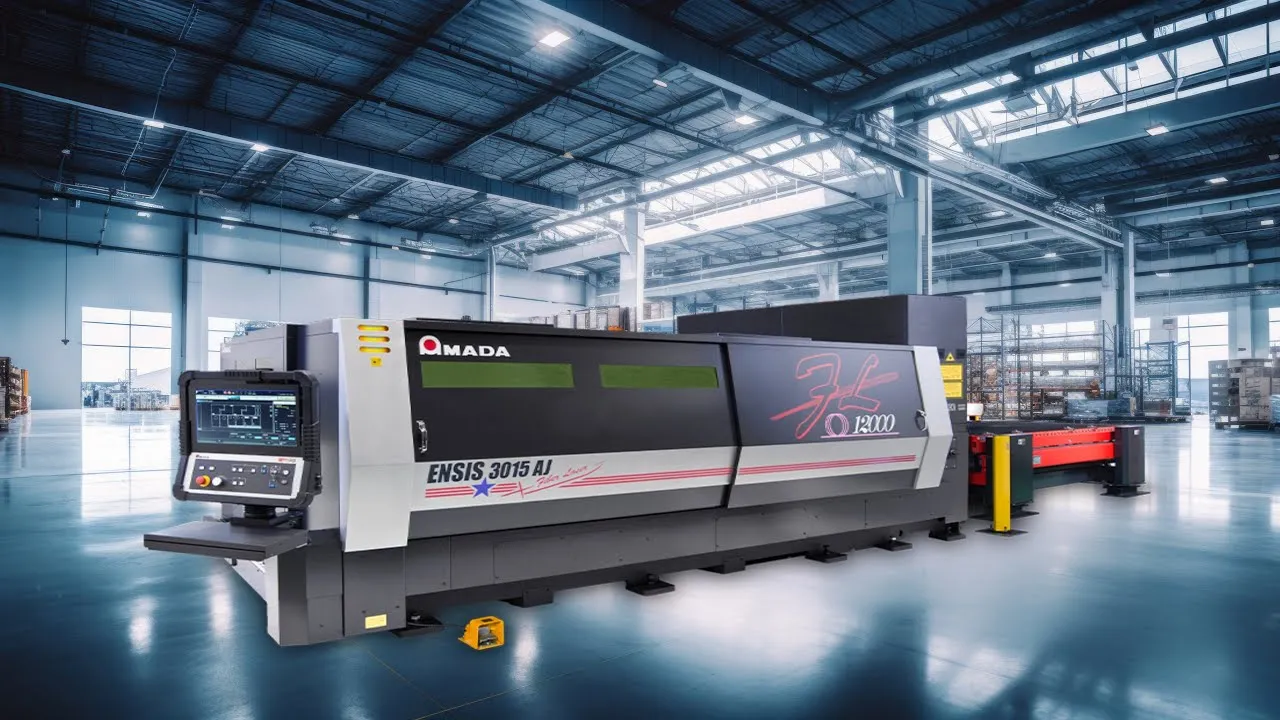
The largest Japanese sheet metal machinery manufacturer. Amada's fiber laser lineup (ENSIS, VENTIS, REGIUS) covers everything from entry-level to ultra-high-power. Their North American presence is unmatched among Japanese brands, with multiple technical centers and extensive parts inventory.
- ENSIS Series: Variable beam control for multi-material flexibility
- VENTIS: Features revolutionary LBC (Locus Beam Control) technology for high-speed aluminum/stainless cutting
- REGIUS: Ultra-high-power flagship (12-24kW+) equipped with the autonomous Laser Integration System (LIS)
Mazak (Yamazaki Mazak)
Known primarily for CNC machine tools, Mazak brings precision machining DNA to laser cutting. Their latest OPTIPLEX NEO series features advanced Beam Shaping Technology that automatically adjusts beam diameter and power density. A strong choice for shops already running Mazak CNC equipment due to unified service and controls.
Mitsubishi Electric
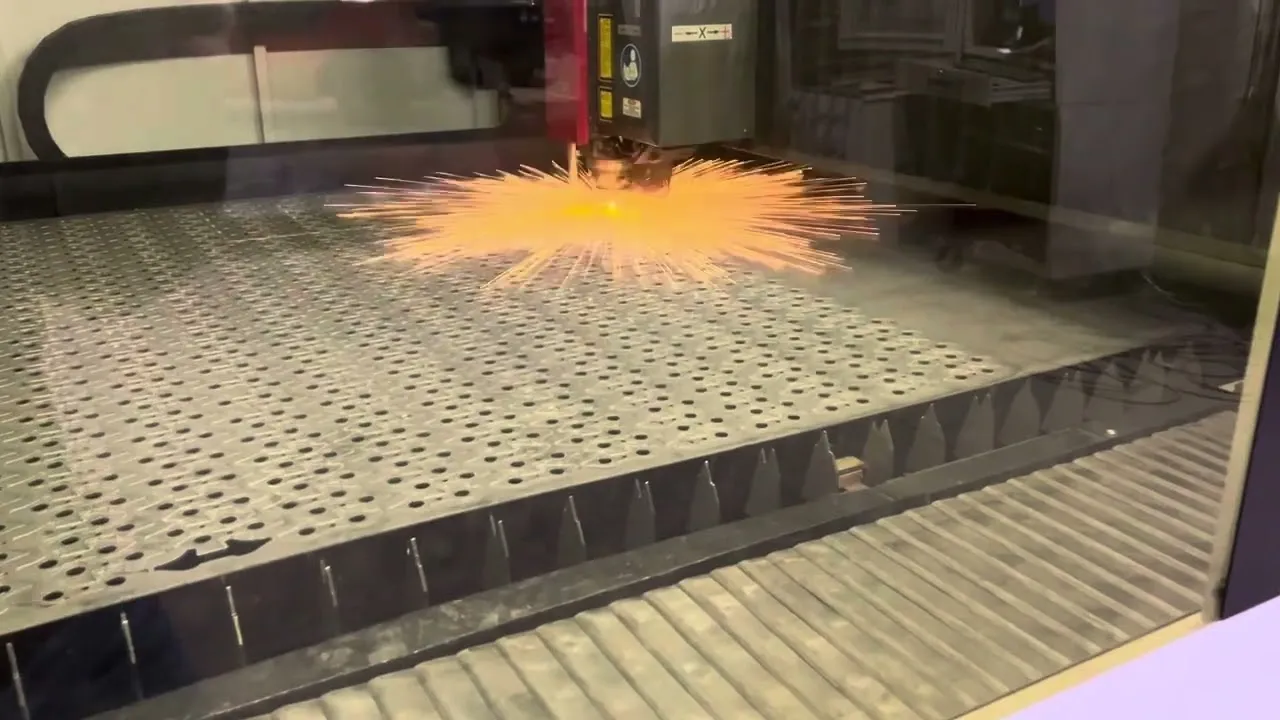
A diversified giant with deep expertise in laser technology (they manufacture their own fiber sources and controllers). Their GX-F Advanced series excels in high-precision applications, featuring proprietary Maisart AI technology that provides real-time acoustic/light monitoring and automatic nozzle replacement without operator intervention.
Amada Machines
Mazak Machines
Mitsubishi Machines
Brand Comparison: Amada vs Mazak vs Mitsubishi
| Brand | Market Position | Key Technology | Estimated Price (6kW-12kW) |
|---|---|---|---|
| Amada | Global sheet metal giant, largest installed base | Variable Beam Control (LBC) | $350,000 - $700,000+ |
| Mazak | CNC machining experts transitioning technology | Advanced Beam Shaping | $300,000 - $650,000+ |
| Mitsubishi | Vertically integrated components (builds own oscillator) | Maisart AI Process Monitoring | $320,000 - $680,000+ |
Regional Comparison: Japanese vs German vs Chinese
| Aspect | Japanese (Amada/Mazak) | German (TRUMPF/Bystronic) | Chinese (Bodor/Senfeng) |
|---|---|---|---|
| Estimated Investment | $$ ($300k - $700k) | $$$ ($450k - $1M+) | $ ($50k - $250k) |
| Cutting Precision | Excellent (High Repeatability) | Excellent+ (Industry Benchmark) | Good to Very Good |
| Service Coverage (US/EU) | Very Good (Extensive Networks) | Excellent (Direct Service) | Variable (Depends on Dealer) |
| Automation Features | Mature Ecosystems | Industry-Leading (Lights-out) | Developing Rapidly |
| Resale Value | Strong | Best in Class | Moderate to Low |
Automation Ecosystem
Japanese manufacturers have long focused on integrated manufacturing cells:
- Amada: ASF/AMS tower systems, robotic loading
- Mazak: Integration with Mazak turning/milling automation
- Mitsubishi: E&M factory automation expertise
When to Choose Japanese
- You value long-term reliability and low total cost of ownership
- Service response time is critical and you're in a region with strong dealer coverage
- You want premium quality without paying TRUMPF prices
- Automation integration is important
- You're already running Japanese machine tools
Frequently Asked Questions
Are Japanese laser machines better than Chinese ones?
Japanese laser machines (like Amada, Mazak, and Mitsubishi) generally offer vastly superior longevity, tighter precision, and dramatically better after-sales service networks in North America and Europe compared to most Chinese brands. While Chinese machines are highly cost-effective for entry-level tasks, Japanese systems excel in high-uptime, 24/7 automated production environments where reliability is paramount.
How do Japanese laser cutters compare to German lasers like TRUMPF?
Japanese lasers offer a compelling middle ground: they deliver 90-95% of the performance and precision of top-tier German machines (like TRUMPF or Bystronic) but at a notably lower price point (often 15-25% less). German machines still hold a slight edge in ultra-high-end automation and absolute cutting speed, but Japanese machines are celebrated for incredible durability and lower long-term maintenance costs.
Which is better: Amada, Mazak, or Mitsubishi?
Each brand has distinct strengths: Amada is the worldwide market leader with the deepest sheet metal ecosystem and best parts availability. Mazak is ideal for shops already invested in Mazak CNC machining centers due to shared control logic and service. Mitsubishi is renowned for exceptional proprietary AI features (Maisart) and building their own highly reliable fiber oscillators and drive components in-house.